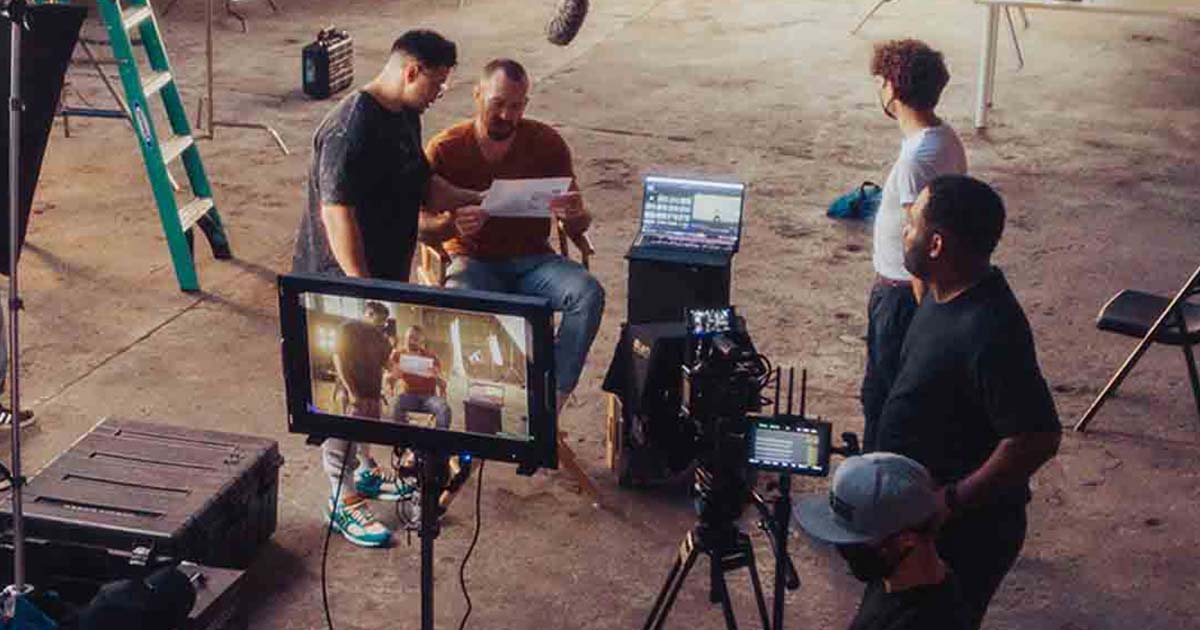
Where attention spans are shrinking and content overload is the norm, the ability to captivate audiences through visual storytelling has become paramount. Whether you’re a filmmaker, marketer, or content creator, mastering the art of visual storytelling can elevate your work to new heights, resonating deeply with your audience and leaving a lasting impression.
Here are the techniques and strategies that can help you effectively engage your audience through the power of imagery:
Understanding the Psychology of Visual Storytelling
At its core, visual storytelling is about more than just pretty pictures; it’s about evoking emotions, sparking curiosity, and conveying messages in a compelling manner. Studies have shown that the human brain processes visual information significantly faster than text, making imagery a potent tool for communication. By tapping into the psychology of visuals, you can create narratives that resonate with your audience on a visceral level, leaving a lasting impact.
Crafting a Narrative Arc Through Imagery
Just like traditional storytelling, visual narratives often follow a distinct arc, complete with a beginning, middle, and end. Whether you’re creating a short film, a marketing campaign, or an Instagram story, crafting a compelling narrative arc is essential for holding your audience’s attention and guiding them through your story. From establishing shots that set the scene to climaxing moments that elicit emotional responses, every frame plays a crucial role in shaping the overall narrative.
Composition and Framing
Composition and framing are the building blocks of visual storytelling, influencing the mood, tone, and impact of your images. By mastering the principles of composition, such as rule of thirds, leading lines, and symmetry, you can create visually stunning compositions that draw viewers in and guide their gaze. Additionally, thoughtful framing can emphasize key elements within your frame, direct attention, and convey meaning, further enhancing the storytelling experience.
Harnessing the Power of Color and Contrast
Color psychology plays a significant role in visual storytelling, with different colors evoking distinct emotions and associations. By strategically incorporating color into your imagery, you can convey mood, establish atmosphere, and evoke specific responses from your audience. Similarly, contrast can be used to create visual interest, highlight important elements, and add depth to your compositions.
Embracing Authenticity and Authentic Storytelling
Authenticity has become a prized commodity in visual storytelling. Audiences crave genuine, relatable content that speaks to their experiences and emotions. Whether you’re showcasing real people, genuine moments, or authentic settings, embracing authenticity can help you forge deeper connections with your audience and foster greater engagement. Remember, the most compelling stories are often the ones that feel the most authentic.
Bottomline
The power of visual storytelling lies in its ability to transcend language barriers, evoke emotions, and forge meaningful connections with audiences across the globe. By understanding the psychology of visuals, crafting compelling narratives, and harnessing the elements of composition, color, and authenticity, you can create imagery that resonates deeply with your audience and leaves a lasting impression.