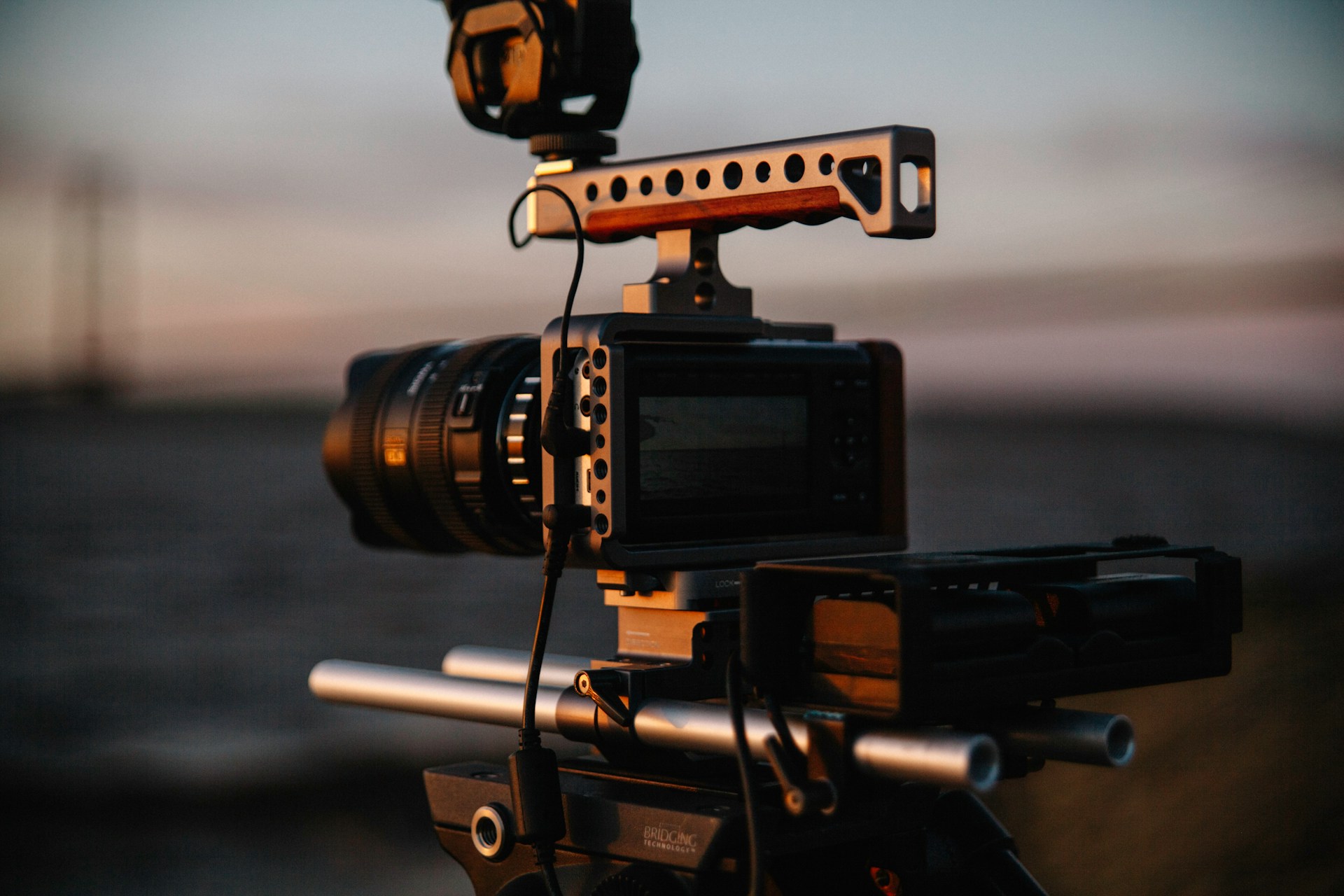
Creating visually appealing videos is not just about capturing what unfolds in front of the camera. The art of framing and composition plays a crucial role in how the audience perceives your video. Whether you’re a budding filmmaker, a social media content creator, or just enthusiastic about videography, understanding the basics of framing and composition can transform your videos from good to great. Here are seven essential tips to help you master this art.
1. Understand the Rule of Thirds
The rule of thirds is a fundamental composition principle in photography and videography. Imagine dividing your frame into a grid of nine equal rectangles, three across and three down. Placing your subject along these lines or at their intersections makes the video more balanced and enables viewers to interact with it more naturally. This technique helps in creating a sense of depth and interest.
2. Use Leading Lines
Leading lines within the frame lead the viewer’s eye to the main subject. These can be anything from roads and fences to patterns and shadows. By using leading lines, you guide the viewer’s attention to essential elements, making your composition more engaging and dynamic.
3. Play with Symmetry and Patterns
Symmetry and patterns are pleasing to the eye, and using them effectively can create striking visuals. Look for opportunities where symmetry can enhance the scene, whether it’s a reflection in water, a row of trees, or architectural elements. Symmetrical compositions tend to evoke feelings of harmony and aesthetic appeal.
4. Explore Different Perspectives
Changing your perspective can drastically alter the composition of your video. Try shooting from high angles, low ground levels, or even from the side to find unique viewpoints that tell a story. Different angles can introduce new elements into the frame, offer a fresh take on a familiar scene, and make your video more captivating.
5. Pay Attention to the Background
A cluttered or distracting background can detract from the subject, making your video feel chaotic. Pay attention to what is behind your subject when setting up your shot. Use a shallow depth of field to blur the background, or reposition your camera to find a cleaner or more relevant backdrop.
6. Frame Within a Frame
Using elements within your scene to frame the subject can add depth and focus to your composition. This could be anything from doorways and windows to arches and branches. These natural frames help draw the viewer’s eye directly to the point of interest and can give your video a more layered and intriguing look.
7. Keep It Balanced
Balancing the elements within your frame is key to maintaining a visually pleasing composition. This doesn’t necessarily mean everything must be symmetrical, but rather that the visual weight of objects in the frame feels evenly distributed. Play with colors, shapes, and placement to achieve a balanced look.
Explore Your Creative Vision
Mastering framing and composition is all about practice and experimentation. Use these tips as a starting point and combine them in various ways to find what works best for your style and the story you want to tell. Ready to start creating stunning videos that captivate and engage? Grab your camera and let your creativity flow!